
Prediction, not alerting.
Monitoring tools tell you a carrier's status changed after it already posted. Stower models where each carrier is heading and surfaces the few that matter — early enough to act.
Trajectory modeling
Point-in-time reconstruction of each carrier's history, reading movement instead of a static snapshot.
- Leakage-free reconstruction
- Inspection & violation velocity
- Pattern-matched to known outcomes
Early warning
Flags deterioration before it surfaces in the FMCSA record — the lead time that turns insight into a decision.
- Forecast horizon on each account
- Calibrated confidence intervals
- Timed to renewal windows
Portfolio triage
A short, ranked worklist from a book of thousands — where expert attention produces the greatest return.
- Prioritized by expected loss
- Separates noise from real drift
- Flags accounts recovering on their own
Why it rose
12 comparable carriers · auditable
Explained signals
Every flag arrives with its drivers, so an underwriter sees why an account rose — not a black-box score.
- Ranked contributing factors
- Comparable-carrier analogues
- Auditable reasoning
Connects to your systems
Reads from the systems you already run — policy, claims, loss-control — and does the joining itself. No new habits.
- No manual logging
- Reconstructs intervention → outcome
- Integrates in read-only first
Federated calibration · audit logged · no export
Data governance
Shared behavioral priors stay non-competitive; your claims and outcomes stay in your private layer.
- Federated calibration
- Your data never trains a rival's book
- SOC 2 track, audit logs

From the whole book to the few that matter.
Stower sits on top of the data you already hold and turns it into one continuous view of where your book is heading.
- Reconstruct each carrier's record as it stood at each point in time
- Model the trajectory and expected loss exposure
- Rank the book; surface only the accounts worth attention
- Deliver each flag with its drivers and a recommended action
# the whole insured carrier book
book → reconstruct_history()      # point-in-time
     → model_trajectory()        # where it's heading
     → rank_by_expected_loss()   # the few that matter
     → explain(drivers)          # why it rose
     → worklist.json             # prioritized, this week
Inputs
- book_roster.csv
- fmcsa_history
- policy + renewal
- claims (optional)
- loss_control_notes
Outputs
- risk_trajectory
- ranked_worklist
- lead_time
- driver_explain
- recommended_action
A clean-looking account, already drifting.
Two illustrative accounts where the trajectory told a different story from the status — and what the team did with the lead time.
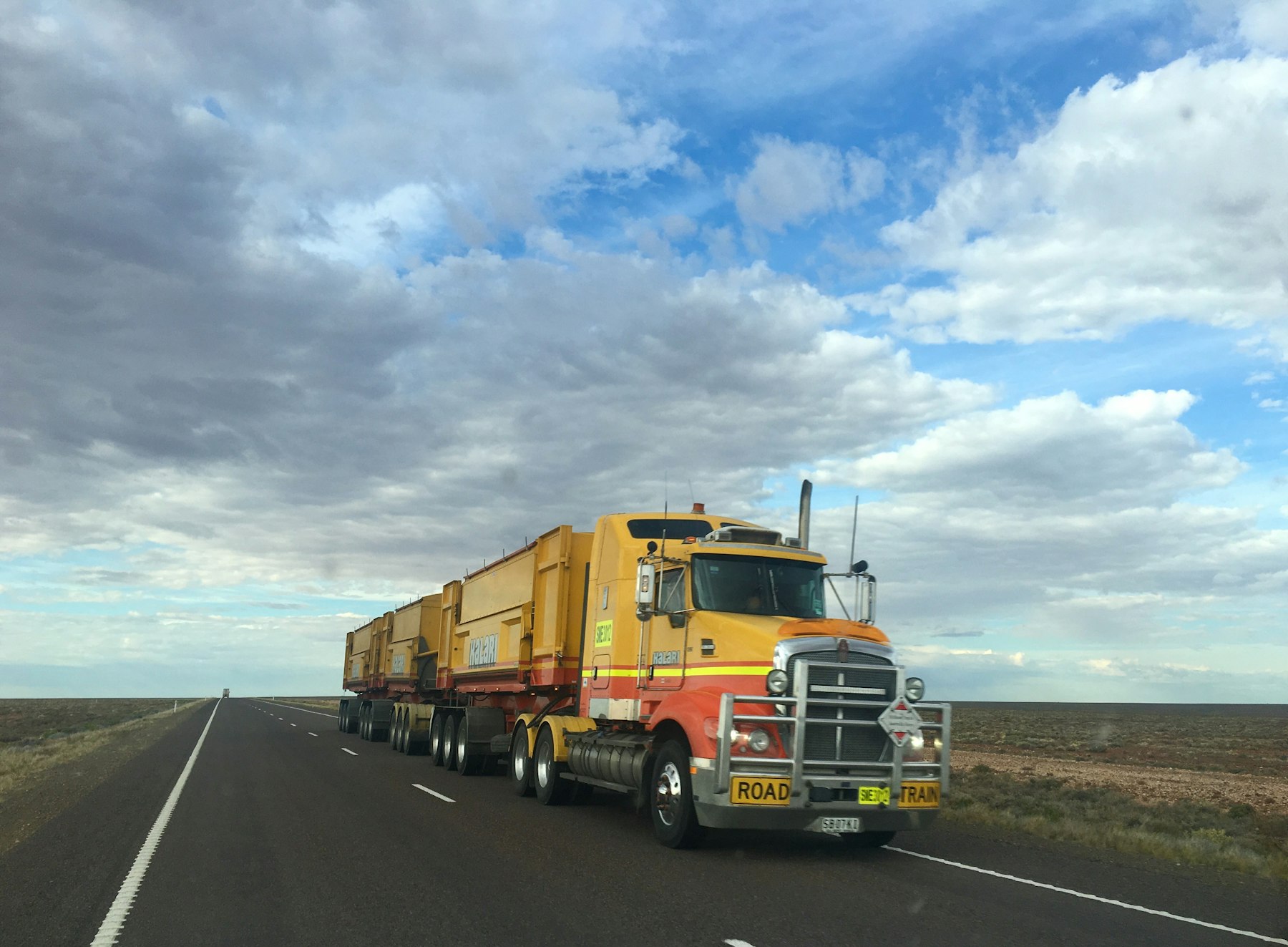
Regional Trucking MGA
An account cleared every static rule — no recent claim. Stower saw the out-of-service rate accelerating and a clean-inspection streak ending, matching carriers that later produced severe losses.
- Flagged for a targeted maintenance review
- Carrier supplied inspection evidence; rate fell
- Retained instead of a blind non-renewal

Specialty Commercial Carrier
Loss-control specialists were spread evenly across the book. Stower concentrated their week on the accounts where intervention actually changes the trajectory — and quieted the ones stabilizing on their own.
- Ranked worklist replaces uniform review
- Recovering accounts excluded automatically
- Same team, materially larger book covered
What it changes for each team on the book.
Underwriting
A ranked, explained shortlist before each renewal — decide on trajectory instead of last year's snapshot, while pricing and terms are still open.
Loss control
Specialist time goes to the accounts where intervention changes the outcome, and away from the ones recovering on their own.
Portfolio & MGA leadership
One continuous view of where the whole book is heading, with lead time measured against outcomes rather than asserted.
FAQ

How is this different from carrier monitoring tools?
Monitoring tools alert you when a carrier's status changes in the public FMCSA databases — the event has already happened. Stower reconstructs each carrier's history point-in-time and forecasts deterioration before it posts to that record. The difference is lead time: enough of it to change a renewal, pricing, or intervention decision while the decision is still open.
What data do you need to start?
The pilot runs on public carrier history plus a read-only roster of the book you want scored — no claims data and no write access required. Deeper capabilities (impact measurement, the learning loop) come later, once you choose to connect claims and loss-control systems.
Do our teams have to log anything?
No. Stower reads from the systems you already run and reconstructs the intervention-to-outcome link itself. There are no new habits to adopt and no manual data entry — the platform does the joining.
Where does our data go?
Shared behavioral priors are built from public carrier history and stay non-competitive. Your claims, outcomes, and book-specific results live in a private layer that tunes the model to your book without exporting anything to a competitor. Your data never trains a rival's book.
How do you prove the prediction actually works?
Lead time is measured against outcomes, not asserted — how far ahead of the public record a real deterioration was flagged, reported with intervals against matched comparable accounts. The pilot exists precisely to establish that number on your own book before you commit further.
What's in the pilot?
A defined slice of your book scored for 90 days: continuous trajectory modeling, a ranked weekly worklist with explained drivers, and a lead-time validation report measured against what actually happened. Read-only, your data stays in your control, and it's designed to answer one question — does the early warning hold up on our accounts.